Urinal screens
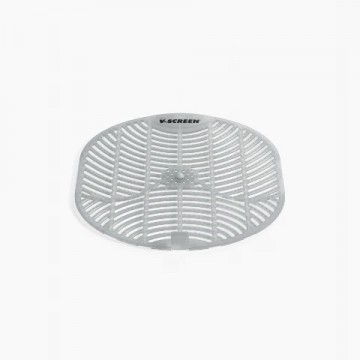
Urinal screens serve a dual purpose: they release fragrance and catch small debris that can block drain pipes. One screen lasts about 30 days before replacement. The most popular fragrances are lemon, lavender, and ocean breeze. Screens are used alongside sanitary cleaners and air fresheners as part of a complete restroom maintenance system.
There are 15 products.
Urinal screens: fragrance and drain protection
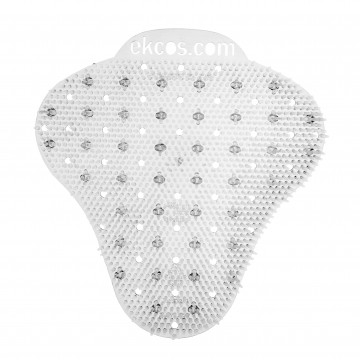
Urinal screens serve a dual purpose in public restrooms — they release a pleasant fragrance and catch hair and other small debris that can clog drain pipes. This is a simple but effective product that reduces plumber call-outs and maintains a cleaner sanitary environment.
How urinal screens work
A urinal screen sits over the drain opening. Its plastic or rubber frame catches solid particles, while an integrated fragrance block dissolves slowly with each flush, releasing scent with every use. One screen typically lasts 30 days before it needs replacing.
The most popular fragrance options are lemon, lavender, and ocean breeze. Some models include an antibacterial agent that reduces bacterial growth on the urinal surface between cleaning sessions.
Urinal screens and sanitary maintenance
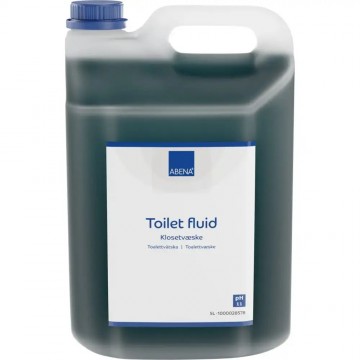
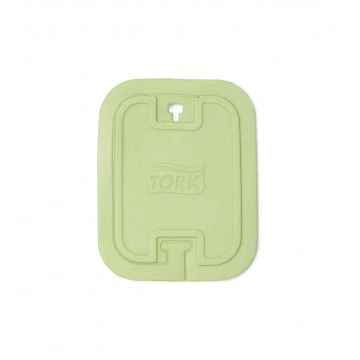
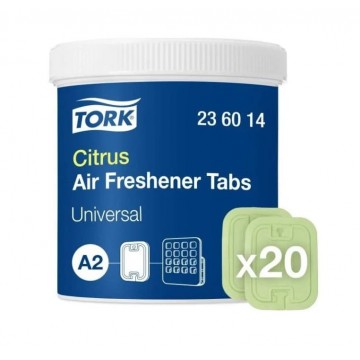
Urinal screens are most effective when used alongside regular sanitary cleaning. The screen does not replace cleaning — it supplements it by maintaining freshness between cleaning cycles. Air fresheners can be used together with screens for full odour control in sanitary areas.
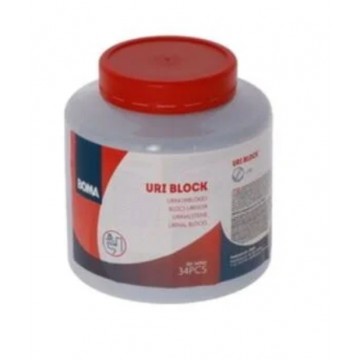
Urinal maintenance also requires descaling agents to remove limescale and urine deposits from the ceramic surface. Without regular descaling, the screen cannot fully do its job because buildup impedes water flow.
Urinal screens in the cleaning system
Urinal screens are part of the cleaning products category and are used alongside other sanitary zone products. Hygiene paper, soap, and hand disinfection products make up a complete public restroom hygiene kit. Dispensers and holder systems are available in the dispensers and equipment section.
Replacing screens every 30 days is an important part of any sanitary plan. Once a screen's active life is over, it loses both its fragrance and filtration effect, so timely replacement protects both hygiene standards and plumbing infrastructure.
The economic case for urinal screens
A single blocked urinal pipe can mean a plumber call-out and several hours of downtime for the sanitary facilities. A screen costing a few euros prevents such unplanned expenses. In large facilities with 10 or more urinals this economic effect becomes significant in the annual budget. Combined with regular floor cleaning around the urinals, screens help maintain a high level of hygiene in the sanitary zone.