Shoe Covers
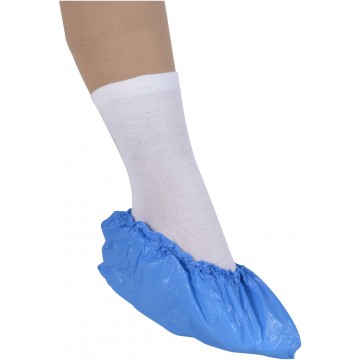
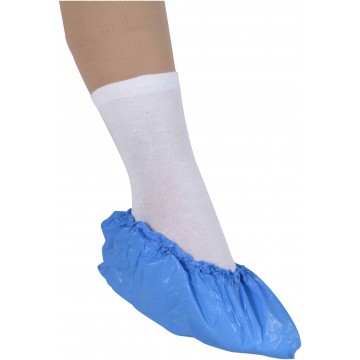
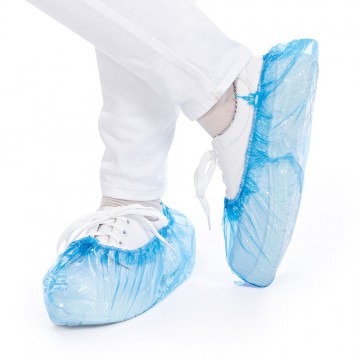
Shoe covers protect clean facility floors from dirt, bacteria, and other contaminants carried in on footwear. Made from polyethylene or polypropylene, available in several thicknesses: thin economy covers for visitors and thicker ones (40+ microns) for staff working longer shifts. The most common sizes fit shoe sizes 35–46. Used in hospitals, laboratories, food production, and clean room zones.
There are 12 products.
Shoe covers: protecting clean spaces from outside contaminants
Shoe covers are a simple yet effective way to keep clean environments free from dirt, dust, and bacteria carried in on footwear. Disposable shoe covers are widely used in healthcare, food production, laboratories, real estate viewings, and domestic settings where floor cleanliness matters.
Shoe covers are used in clean rooms, hospitals, food production, and visitor areas.
In hospitals and clinics, shoe covers help limit infection spread between departments. Food processing plants require them under HACCP regulations — clean zones must stay separate from production areas. On construction sites, visitors wear shoe covers so dust stays out of office spaces.
In beauty salons and spa centres, shoe covers create a professional and hygienic atmosphere. Our medical and beauty products section has other essentials for this sector.
Types of shoe covers
- Polyethylene (PE) shoe covers. lightweight and the cheapest option for high foot traffic. Best for dry areas and short-term use
- Polypropylene (PP) shoe covers. breathable and more comfortable for extended wear. Often used in healthcare
- Non-slip sole shoe covers. safer in wet areas where floors may be slippery
- Tall shoe covers (calf-height). designed for environments requiring greater protection from liquids or mud
Automatic shoe cover dispensers
In high-traffic facilities, manually putting on shoe covers wastes time and creates queues. Automatic dispensers let people simply step into the machine , a cover is applied in under a second. This is especially relevant in hospital reception areas and food processing halls.
Quantities and packaging
Shoe covers come in packs of 100 or 200 units. Businesses with heavy visitor flow , hospitals, factories, laboratories , go through hundreds per day, making bulk packaging the most cost-effective option.
Shoe covers are one of several hygiene clothing categories. For full protection, pair them with disposable gloves, caps and masks, and aprons. For ongoing facility cleanliness, add cleaning tools and cleaning products.
Work gloves will round out your protective clothing kit where both hand and floor protection are needed. Place hand sanitiser at the entrance for complete hygiene compliance.